MM
Agents do better when documentation is a build artifact with provenance, not a pile of Markdown they have to rediscover on every run.
This is a running index of the work. Some projects are released, some are active prototypes, and some are research with a narrow claim that still has to survive testing.
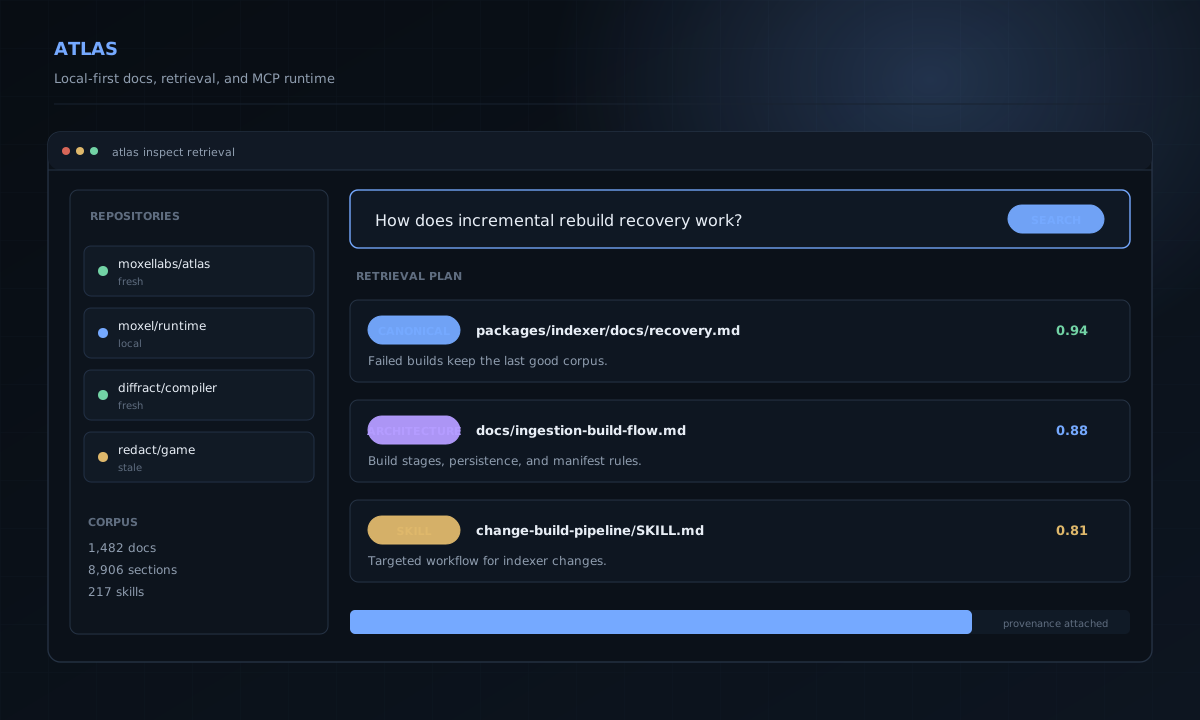
A local-first documentation compiler and retrieval runtime for codebases that are too large to hold in one prompt.
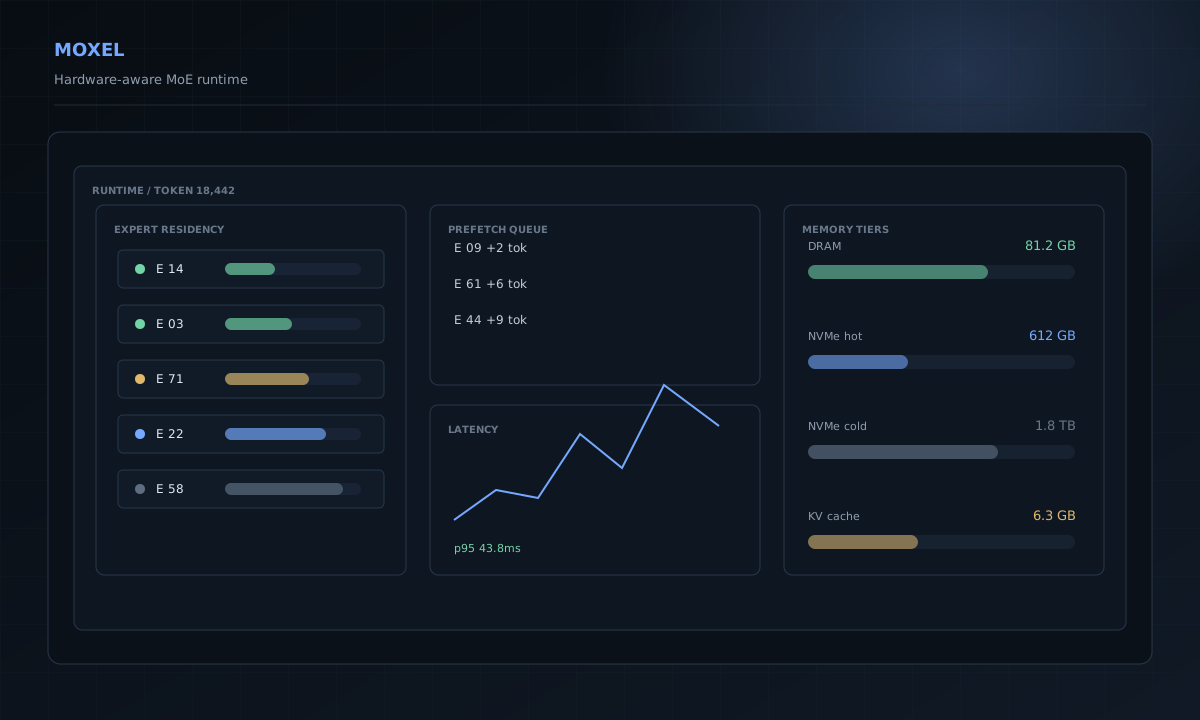
A CPU-first runtime and file format for large mixture-of-experts models on high-memory UMA machines.
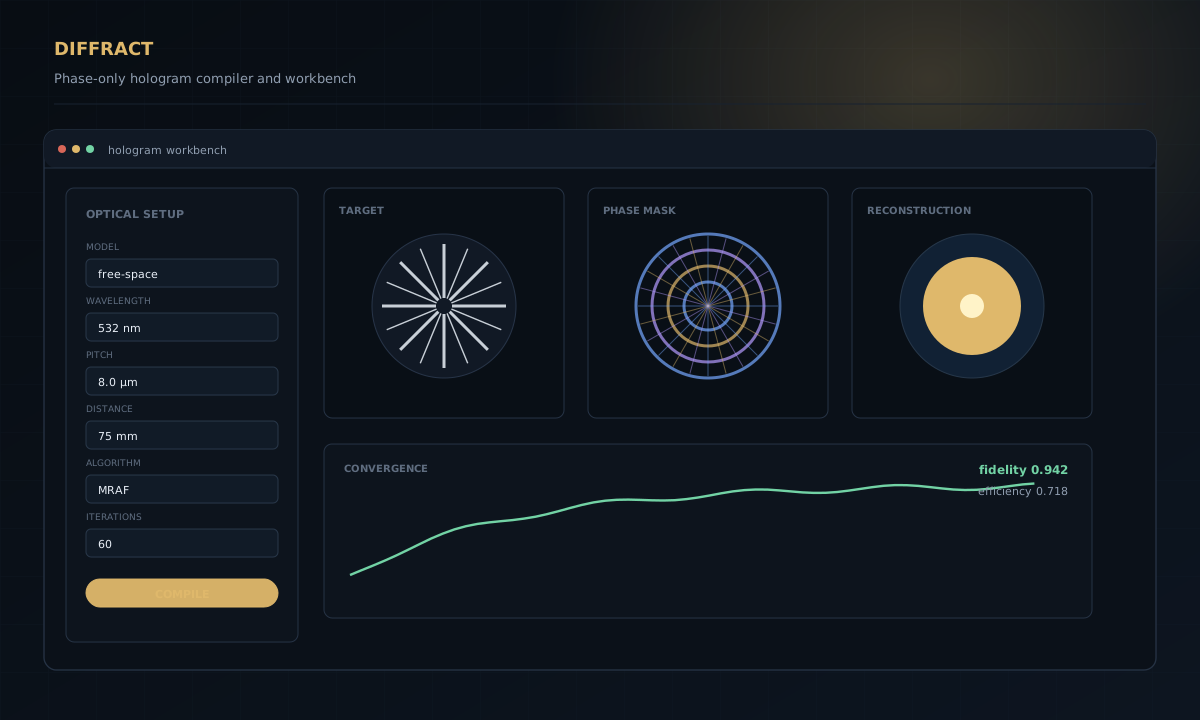
A hologram compiler and local workbench for phase masks, optical simulation, and fabrication-ready exports.
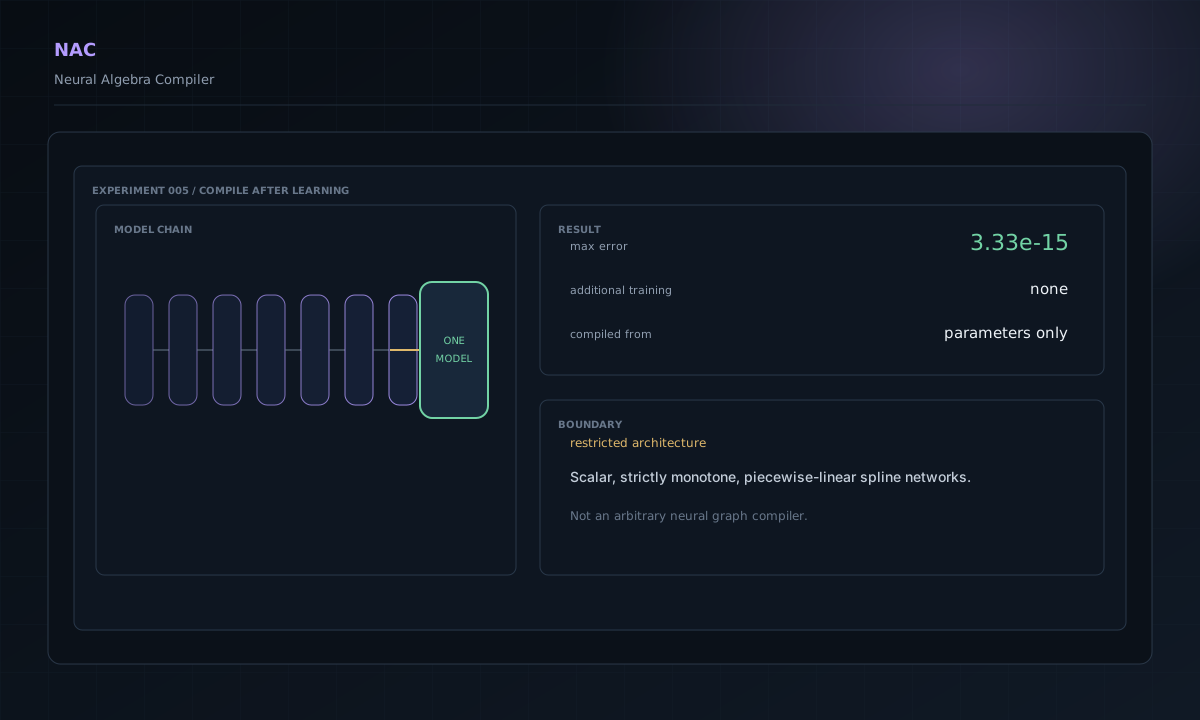
Research into compiling trained neural networks into smaller exact programs or symbolic rewrite rules.
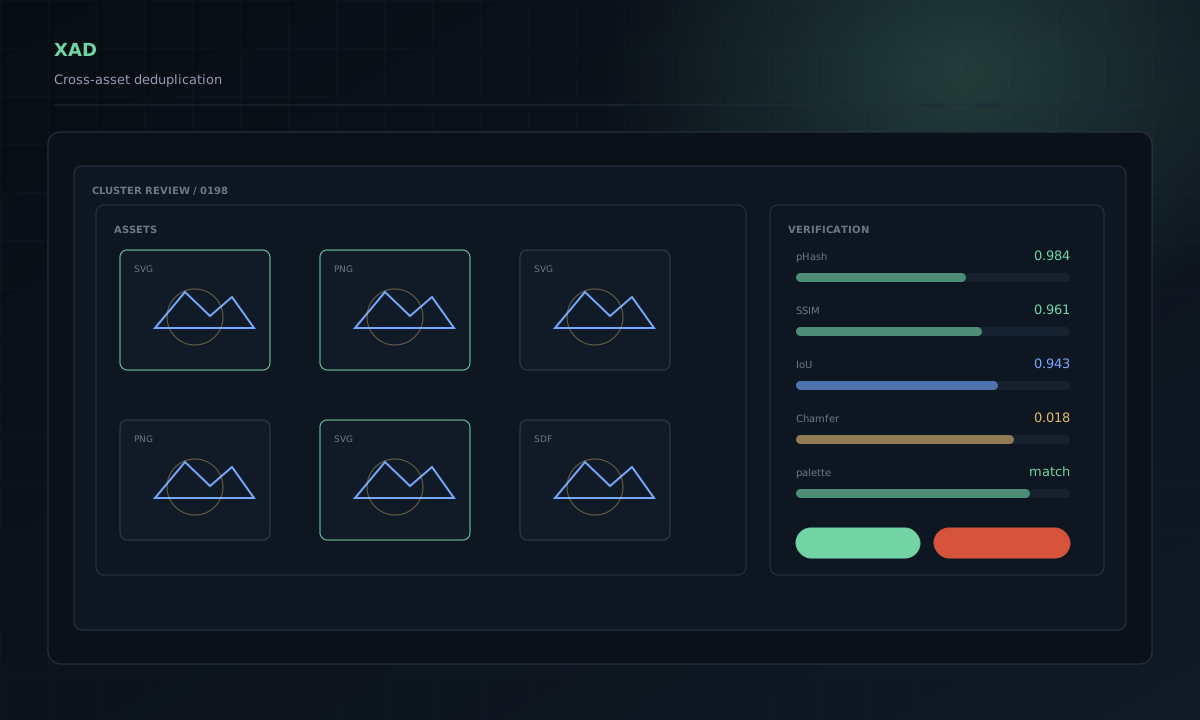
XAD - Cross-asset deduplication that finds duplicates and near-duplicates across raster, vector, and animated assets despite format, size, color, and metadata noise.
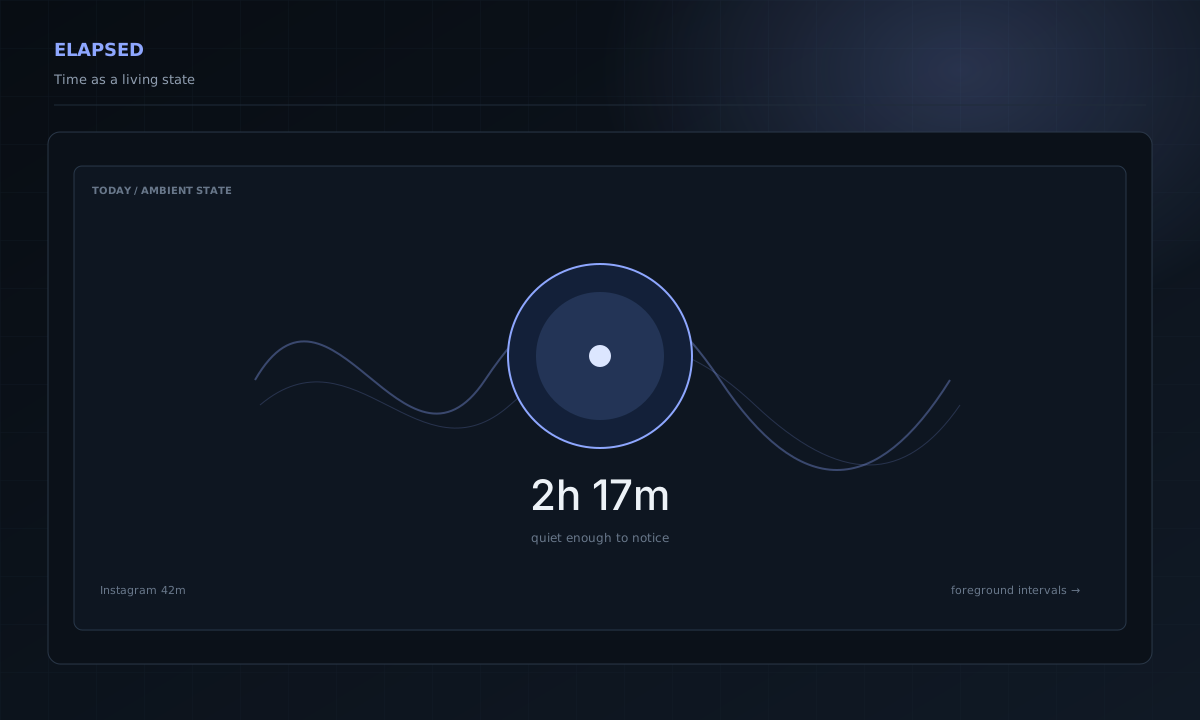
A mobile usage tracker built around one ambient object instead of another screen-time dashboard.
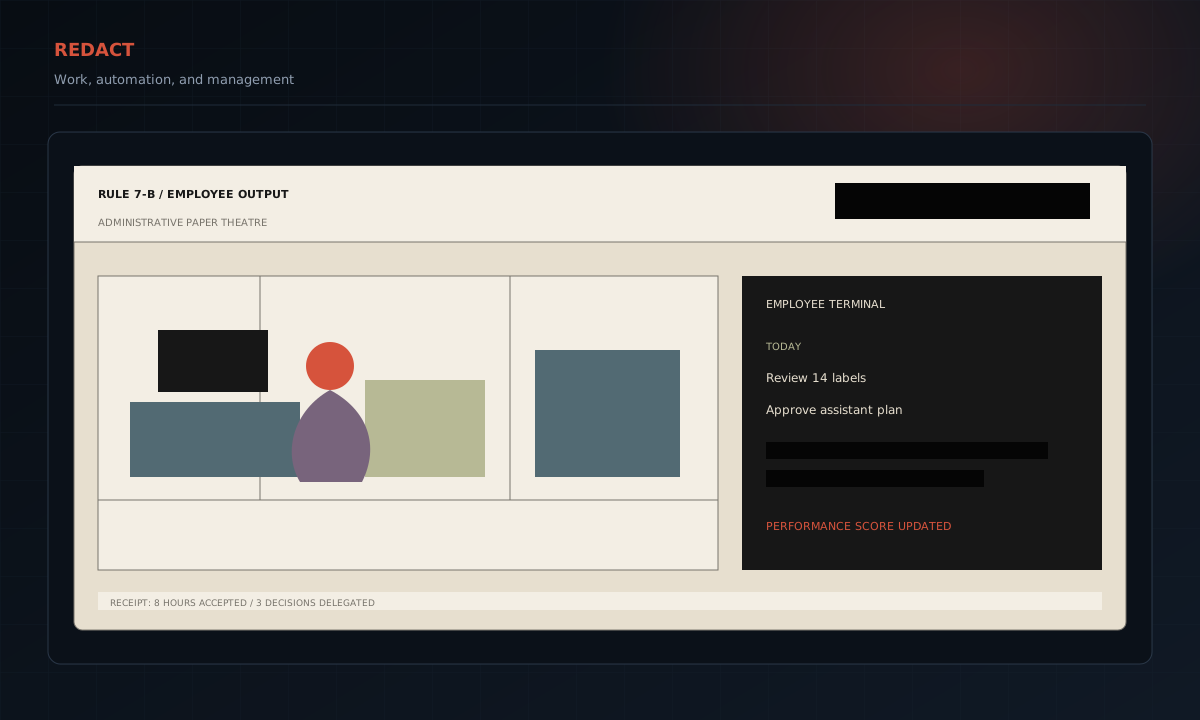
A short office game where an AI assistant slowly becomes the system that manages the player.
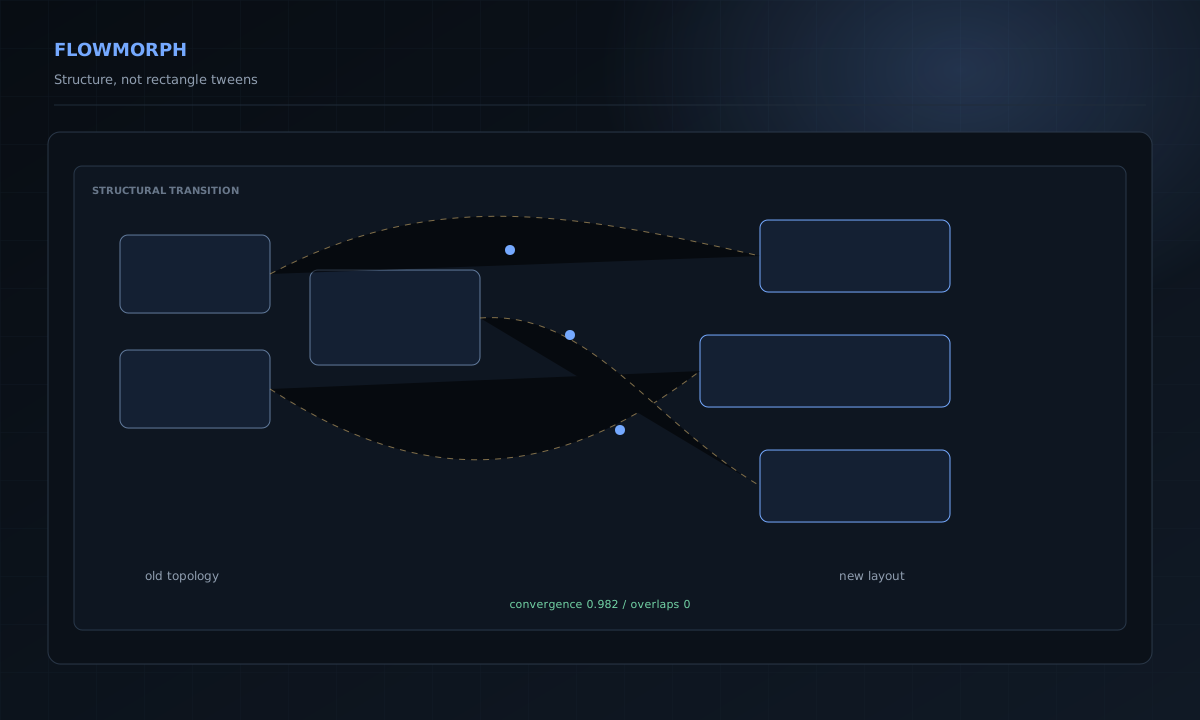
A layout transition engine that keeps relationships between elements intact while the structure changes.
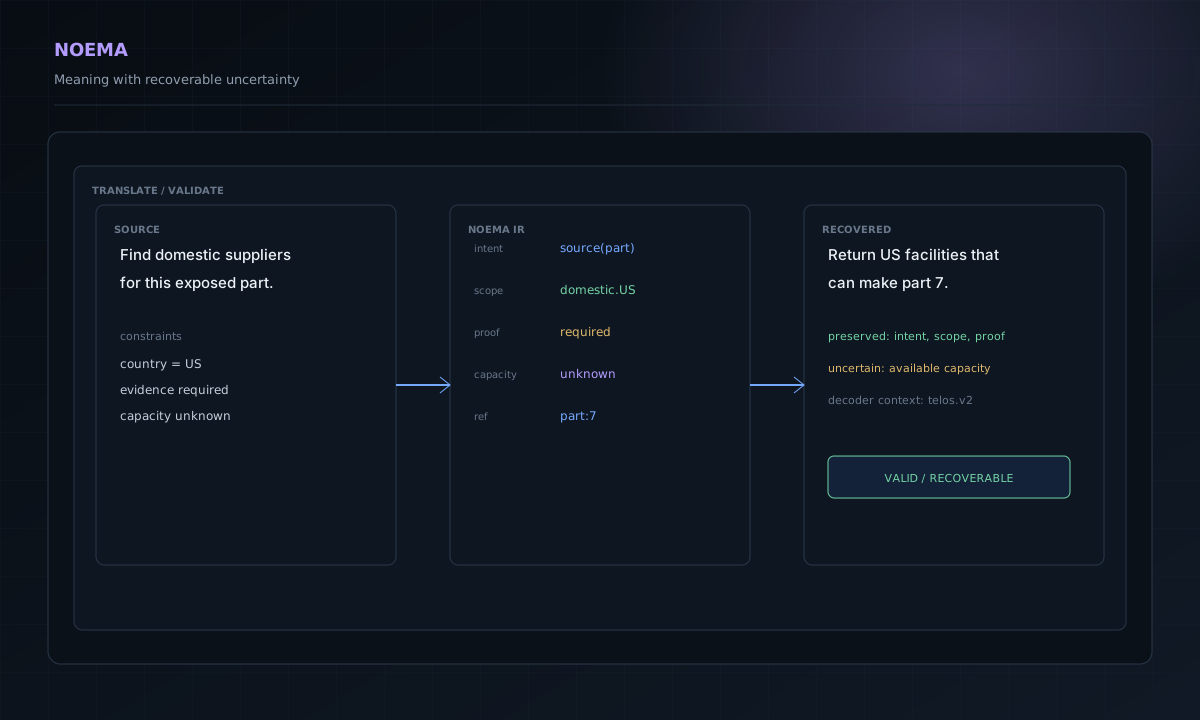
An intermediate representation for moving meaning between models without pretending uncertainty disappeared.
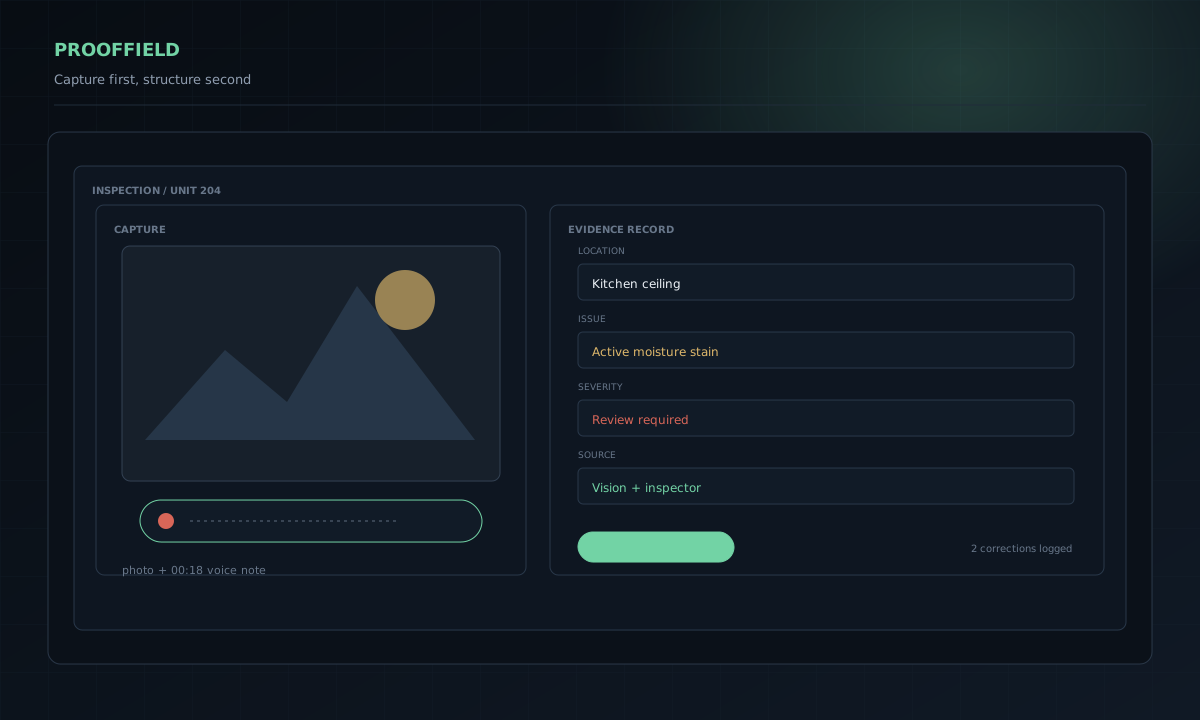
Camera-first field notes that turn photos, audio, and corrections into structured evidence.
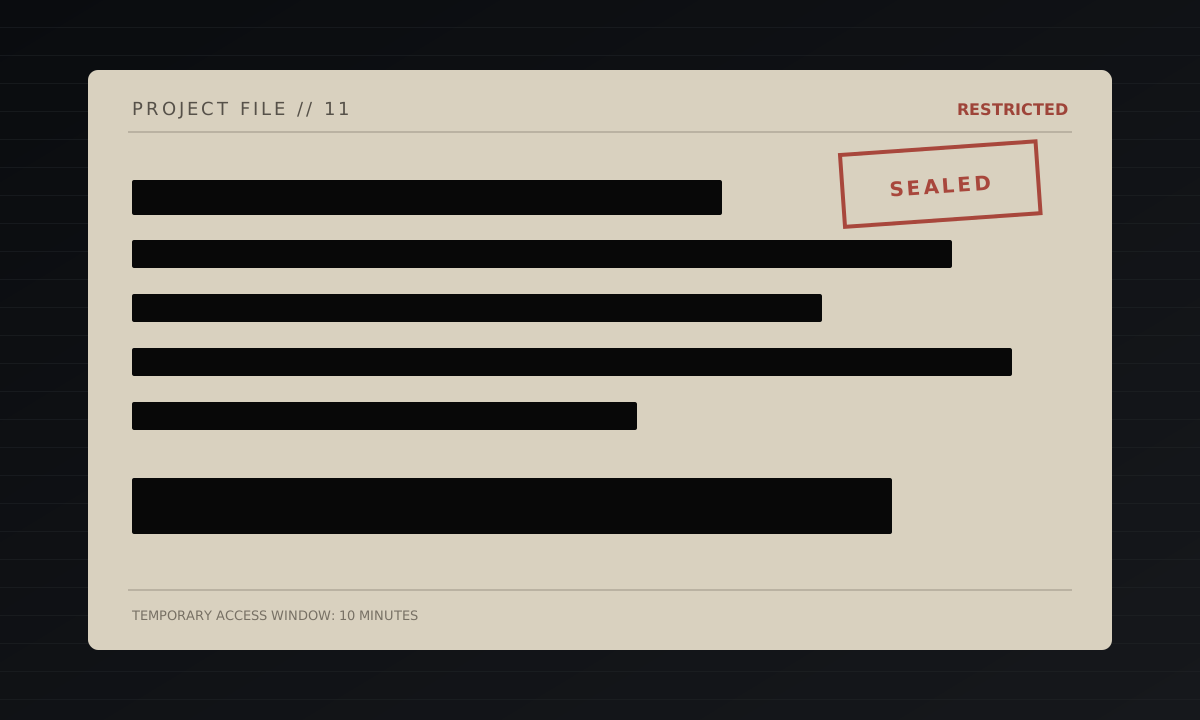 ACCESS REQUIRED
One active project is intentionally kept out of the public index.
Agents do better when documentation is a build artifact with provenance, not a pile of Markdown they have to rediscover on every run.
A portfolio does not need a thesis. Show the work, say what exists, link the artifact, and keep going.
Elapsed should not look like another screen-time report. The main object has to make accumulated time feel physical before a number explains it.
Floating HUDs make the office feel like a game level. Putting money in the phone, tasks on the work computer, and status in the room makes the world do the explaining.
A photonics compiler only matters if the abstraction survives diffraction, material limits, fabrication, and measurement.
A machine can have enough memory for a model and still be a terrible inference box. Bandwidth, cache behavior, scheduling, and tail latency decide whether it is useful.
Moving rectangles is easy. Keeping the relationships between parts readable while the layout changes is the actual problem.
More agents do not automatically produce better work. The useful part is splitting the problem cleanly, sharing evidence, and killing bad branches early.
Keep implemented, measured, inferred, and planned separate. The second they get mixed together, a technical project starts reading like an ad.